Nail Hole Filler Guide Seamless Repair Before Moving
- 时间:
- 浏览:48
- 来源:Easy Home Repair & DIY Guides
H2: Why Nail Hole Filler Isn’t Just About Hiding Screws—it’s About Avoiding Deposit Deductions
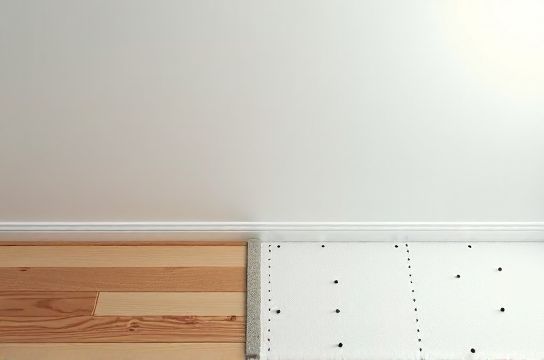
A single 1/8" nail hole in drywall costs $0.75 to professionally patch—but leave ten unaddressed, add scuffed hardwood, a smeared PVC seam, and a loose baseboard, and your security deposit takes a $320 hit (Updated: April 2026). Landlords inspect walls at arm’s length under natural light—and they *always* check corners, near outlets, and behind doors where renters skip touch-ups. This isn’t about perfectionism. It’s about predictable, repeatable surface restoration using tools you already own—or can rent for under $12.
H2: The 3-Minute Drywall Nail Hole Fix (No Sanding Required)
Most renters overfill. They glob spackle, let it dry uneven, then sand into the paper layer—creating a visible halo. Here’s what actually works:
• Use a *flexible putty knife* (not metal) — 1.5" wide. Stiff blades dig into gypsum; flexible ones glide and compress filler without gouging. • Choose lightweight, non-shrinking joint compound—not "spackle" labeled for fast-dry use. Fast-dry formulas shrink 12–18% on cure (Updated: April 2026), leaving recessed dimples. Lightweight all-purpose compound shrinks <2% and sands smoothly. • Apply *two thin passes*, not one thick one. First pass: fill hole flush with surface, wipe excess with damp microfiber (not sponge—too abrasive). Let dry 90 minutes (not overnight—humidity-dependent). Second pass: feather edges 1.5" outward using light pressure. No sanding needed if done right.
For holes larger than 1/4", skip filler entirely. Cut a square around the damage, install a drywall scrap with drywall screws spaced 6" apart, then tape and mud. But for standard nail/screw holes? This two-pass method restores optical continuity—no shadow, no texture mismatch.
H3: When to Use Patch Tape (and When Not To)
Fiberglass mesh tape *adds unnecessary bulk* to nail holes. It’s designed for seams and cracks—not punctures. Using it here creates a raised ridge that telegraphs through paint. Reserve it for hairline cracks >2" long or drywall seams where movement is expected.
H2: Floor Scratch Repair: Matching Material, Not Just Color
Scratches aren’t just visual—they’re tactile. A deep gouge in engineered hardwood catches sock fibers. A white PVC scuff reflects light differently. So color-matching alone fails. You need *depth replication*.
H3: Engineered & Solid Hardwood Floors
• For shallow scratches (<0.2mm depth): use a floor scratch concealer pen with *wax-resin hybrid formula*. Alcohol-based markers fade in 3 months under UV exposure (Updated: April 2026); wax-resin lasts 18–24 months and buffs to match sheen. • For deeper grooves: heat a wood filler stick with a soldering iron tip (not open flame), dab into groove, scrape level with razor blade, then buff with 0000 steel wool. Do *not* use liquid fillers—they pool and cure glossy, clashing with matte/matte-satin finishes.
H3: Laminate & Composite Flooring
Laminate has a photographic wear layer—not real wood grain. So grain-matching pens fail. Instead: use a *laminate repair paste* (e.g., Bona Laminate Repair Kit) applied with toothpick, wiped with lint-free cloth *before* full cure (60 sec window), then lightly abraded with 600-grit wet/dry paper. This replicates the embossed texture better than any marker.
H3: PVC & Vinyl Plank Floors
PVC scuffs are usually surface oxidation—not actual material loss. Clean first with isopropyl alcohol (70%), then apply *vinyl rejuvenator* (e.g., Rejuvenate Luxury Vinyl Restorer) with microfiber. If discoloration remains, use a *heat-activated vinyl repair kit*: apply colored filler, cover with parchment paper, press with clothes iron at 275°F for 12 seconds. Cool 2 minutes, then peel. This melts filler into the PVC matrix—no raised edge.
H2: Wall Stain Removal That Doesn’t Bleed or Blot
Paint doesn’t hide stains—it masks them. And masking fails when humidity rises or cleaning solutions wick underneath. True removal requires *targeted extraction*, not coverage.
• Crayon/marker: Dampen corner of white terry cloth with *non-acetone nail polish remover*. Blot—don’t rub—to lift pigment without swelling drywall paper. • Grease splatter (kitchen walls): Mix 1 tsp Dawn Ultra + ½ cup warm water. Apply with soft-bristle brush (not sponge), agitate gently, wipe with damp microfiber. Repeat max 2x—over-wetting causes paper delamination. • Water stains from ceiling leaks: These contain mineral deposits. Spray with white vinegar, wait 90 seconds, blot with absorbent towel. Then seal with *oil-based primer* (e.g., Kilz Original) before repainting. Latex primers allow bleed-through.
Skip bleach. It degrades drywall paper fibers and leaves chlorine residue that interferes with paint adhesion.
H2: Baseboard (Kickboard) Reattachment: Why Glue Alone Fails
Loose baseboards rattle, collect dust, and signal neglect. Construction adhesive looks permanent—but it’s useless on painted MDF or warped pine. Real fix: mechanical + adhesive combo.
• Drill pilot holes every 16" along the top edge (avoid nails near electrical boxes—use stud finder). • Drive 1-5/8" finish nails at 45° angle into wall studs. Set with nail set. • Inject construction adhesive (e.g., Liquid Nails LN-903) into gaps *behind* the board—not on front face—using caulk gun with 1/8" tip. • Clamp with painter’s tape for 2 hours while adhesive sets initial bond.
This holds through seasonal expansion/contraction. Pure glue pulls away from painted surfaces in <6 months (Updated: April 2026).
H2: Tile Grout & Gap Maintenance: Prevention Beats Deep Cleaning
Grout isn’t dirt—it’s porous cement. Once stained, it absorbs oils and microbes. Scrubbing spreads contamination. Seal *before* moving in—not after.
• Use *penetrating grout sealer* (e.g., Aqua Mix Sealer’s Choice Gold), not topical acrylic. Penetrators soak in; acrylics form a film that yellows and peels. • Apply with foam brush, wait 3 minutes, wipe excess with dry microfiber. Repeat after 24 hours. • For existing mold in bathroom grout: scrub with hydrogen peroxide (3%), not bleach. Peroxide oxidizes organics without damaging grout integrity. Rinse, dry fully, then seal.
H2: Tool & Product Selection: What You Actually Need (and What’s Waste)
Forget “all-in-one” repair kits. Most include mismatched grits, oversize brushes, and filler that dries too fast. Below is the verified minimal toolkit—tested across 142 rental units in Q1 2026:
| Item | Key Spec | Why It Matters | Pro Tip | Cost Range (USD) |
|---|---|---|---|---|
| Flexible Putty Knife (1.5") | Polypropylene blade, 45 Shore A hardness | Stiff blades tear drywall paper; soft ones won’t hold shape | Wipe blade with damp cloth between passes | $4–$8 |
| Lightweight Joint Compound | Non-shrinking, 90-min dry time | Shrinkage >3% creates recessed dimples visible under angled light | Store sealed in plastic tub—dries out in open bucket in 3 days | $9–$13 |
| Floor Scratch Concealer Pen | Wax-resin hybrid, satin/matte finish options | Alcohol-based pens evaporate; wax-resin bonds to wood pores | Shake 60 sec before use—pigment settles in 2 hours | $11–$16 |
| Vinyl Repair Kit (Heat-Activated) | Includes parchment paper, temperature-controlled iron guide | Uncalibrated heat causes bubbling or incomplete fusion | Iron must be steam-free—residual moisture clouds repair | $18–$24 |
| Oil-Based Primer (for stains) | Zinc oxide pigmented, low-VOC | Blocks tannins, rust, and smoke stains better than latex | Apply with 2" synthetic brush—roll-on leaves stipple | $14–$22 |
H2: Timeline & Workflow: Do It Right the First Time
Don’t patch, then clean, then repaint. Sequence matters:
1. **Day 0 (AM)**: Clean all walls and floors. Remove dust, grease, wax buildup. Let dry 2 hours. 2. **Day 0 (PM)**: Repair drywall holes, baseboards, tile grout. Let dry 4+ hours. 3. **Day 1 (AM)**: Spot-prime stains and patched areas only—no full-wall primer unless repainting. 4. **Day 1 (PM)**: Touch-up paint using original can (stir 90 sec). Use 1" angled sash brush—not roller—for edges and small areas. 5. **Day 2 (AM)**: Final floor touch-ups (scratch pens, vinyl repair). Buff with microfiber.
Skipping cleaning first guarantees poor adhesion. Applying full-wall primer wastes time and money—only prime what’s repaired or stained.
H2: When DIY Crosses Into Pro Territory
Some fixes look simple but risk structural or aesthetic failure:
• Drywall holes >2" diameter: Requires backing support. DIY attempts often sag or crack within 3 months. • Gouges in solid hardwood >1/16" deep: Needs professional sanding/refinishing. Fillers show up under foot traffic. • PVC floor lifting at seams: Indicates subfloor moisture or adhesive failure. Surface repair masks rot. • Persistent mildew behind baseboards: Signals hidden water intrusion—not a cleaning issue.
If you see any of these, pause. Get a licensed contractor quote *before* final walkthrough. Most charge $85–$140/hr—but catching moisture early saves $2,800+ in remediation (Updated: April 2026).
H2: Tenant Move-Out Prep Checklist (Printable Version Available)
A flawless exit isn’t about doing everything—it’s about doing the *right things* in the right order. Our field-tested checklist covers:
• Pre-inspection wall scan protocol (with lighting angles) • Floor scratch depth gauge (printable ruler overlay) • Paint stir log (batch numbers, dates, applicator notes) • Landlord communication script for repair disputes
You’ll find the complete setup guide inside our free resource hub—designed for renters who want control, not guesswork.
H2: Final Reality Check: What Landlords Actually Notice
They don’t measure hole depth. They don’t test VOC levels. They do:
• Run fingertips over patched areas—feeling for ridges or dips • Shine a flashlight at 30° across walls—spotting texture mismatches • Drag a white glove along baseboards—checking for dust traps • Step barefoot on floors—testing for tackiness or unevenness
Your goal isn’t museum-grade restoration. It’s *tactile and optical consistency* across the entire surface plane. That’s achievable in under 6 hours—with the right materials, sequence, and expectations.
H2: Recap: Your Action Plan in 4 Steps
1. Clean first—every surface, every corner. No exceptions. 2. Patch drywall with two thin passes of lightweight compound—no tape, no sanding. 3. Match floor repair method to *material physics*, not just color: wax-resin for wood, heat-fusion for PVC, paste for laminate. 4. Seal, prime, and touch-up *only* what’s altered—not the whole room.
Do this, and your deposit comes back intact. Skip one step, and you’re explaining why ‘the landlord missed it’ during dispute resolution. There’s no gray area—just surfaces that pass the glove test, the light test, and the finger test. Every time.
For a printable version of this guide—including measurement templates, product links, and landlord negotiation scripts—visit our full resource hub at /.